On this page
Short answer: A verifiable digital credential is a certificate, licence or record that carries a unique ID or QR code linked to the issuer’s own register, so anyone can confirm in seconds that it is genuine, unaltered, not withdrawn and still in date – without emailing the issuer.
A PDF certificate is a picture of a claim. In contrast, a verifiable digital credential is the claim plus a way to check it. As a result, the difference matters to everyone downstream: employers, clients, regulators and auditors who need to trust what they see.
Key takeaways
- Verifiable means anyone can check it with the issuer – instantly.
- It has three parts: the document, a unique ID or QR code, and a live record.
- A good check reports existence, integrity, status and validity separately.
- Meanwhile, the holder keeps a normal certificate with nothing extra to install.
What are the parts of a verifiable credential?
- The document – the certificate or licence the holder receives, usually a PDF.
- A unique identifier – a credential ID such as
ATT-2026-4417, and a QR code that encodes a link to it. - The record – the issuer’s own entry for that ID, which the verification page reads from.
How does verification work?
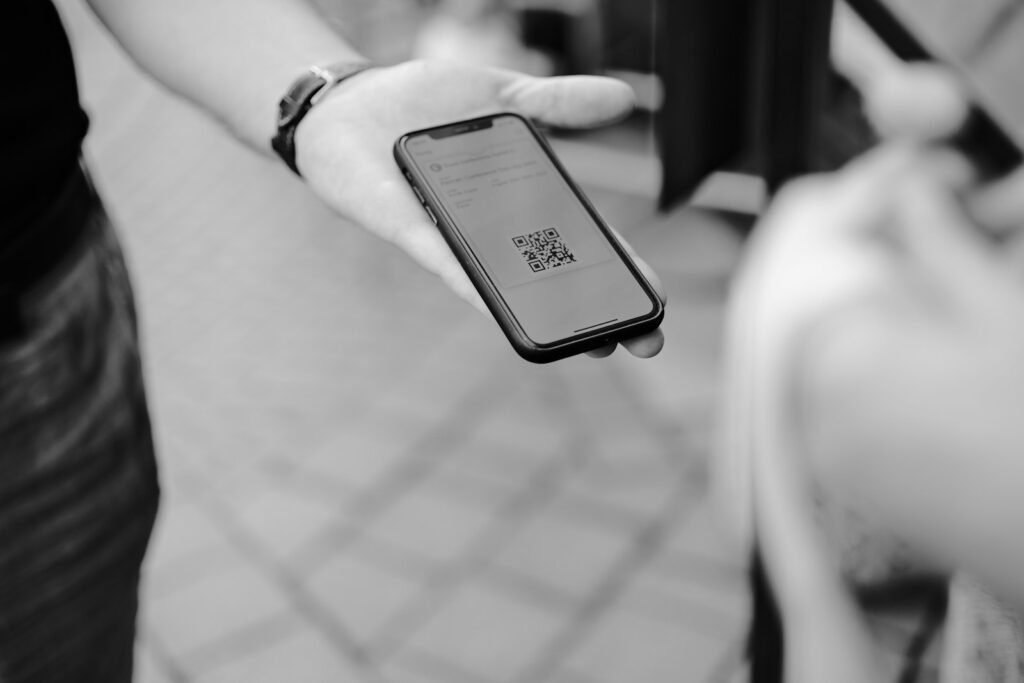
First, the verifier scans the QR code or types the ID on the issuer’s verification page. Next, the page looks the ID up in the register and runs four checks: the record exists, its signature matches (so any edit outside the system shows up), the issuer has not withdrawn it, and today falls inside its validity window. The page then shows the answer immediately.
Verifiable credential vs ordinary PDF certificate
| Ordinary PDF | Verifiable credential | |
|---|---|---|
| Can be checked by anyone | No, because it needs an email to the issuer | Yes – scan or type the ID |
| Shows if withdrawn | No | Yes, with the reason |
| Shows if expired | Only if you also read the dates | Yes, automatically |
| Detects edits | No | Yes – the record decides the answer |
| Works on paper | Yes | Yes, because the printed QR code works too |
Who uses verifiable credentials?
For example, universities use them for degrees, training providers for course certificates, professional bodies for memberships, inspection firms for equipment and safety records, and manufacturers for product certificates. See use cases for examples.
A verifiable digital credential in practice
Imagine Sarah finishes a data analytics course. First, the training provider issues her a certificate with an ID and a QR code. Later, she applies for a job and attaches the PDF. Then the recruiter scans the code, sees Sarah’s name, the course and the date on the provider’s own site, and moves on in seconds. In short, nobody emails anybody, and nobody has to trust a PDF.
Benefits of a verifiable digital credential
- For holders: proof that travels with them and works anywhere.
- For employers: instant checks instead of reference requests.
- For issuers: fewer enquiries and less risk from forgeries.
- For auditors: a clear register with full history.
Standards and terminology
You may also see the term “verifiable credential” in technical standards, such as the W3C Verifiable Credentials Data Model. Those standards describe a broader digital identity ecosystem. However, the core idea is the same: a credential is only as useful as the ability to check it with the issuer. Therefore, a signed record on the issuer’s own site already delivers most of the practical value.
In addition, the W3C Verifiable Credentials Data Model is a useful, independent reference if you want to read further.
Frequently asked questions
QDo verifiable credentials need a blockchain?
No. Instead, what makes a credential verifiable is a trusted record the issuer controls and a reliable way to check it. A signed record on the issuer’s own site does that without the cost or complexity of a blockchain.
QDoes the holder need an app or account?
No. They receive a normal certificate. Similarly, verifiers only need a phone camera or a browser.
QCan you print a verifiable digital credential?
Yes. The certificate carries the QR code and ID, so a paper copy is just as checkable as the PDF.
Ready to try it?
Turn every certificate you issue into a verifiable credential on your own website. Try CertiQR free for 7 days.
Is a verifiable digital credential the same as a digital badge?
Not exactly. A badge is usually a small image shared online, whereas a verifiable credential is any certificate or licence that anyone can check against the issuer’s record.
Can I turn existing certificates into verifiable credentials?
Yes. Import past holders with their existing numbers, or upload finished documents and add a QR code to each one.
We build CertiQR, the WordPress plugin for issuing certificates and verifying them with a QR code. We write about credentials, verification and running a certificate programme.